
 By Philip
Ever thought about what to do after a brain injury? It’s not just a legal step. It’s your way to get justice and heal.
Getting money for a brain injury is key. It helps victims deal with the big changes after an accident. A lawsuit can give you money for doctors, therapy, and care later on.
Knowing the law is important. This guide will help you understand how to file a brain injury claim. It will give you the power to protect your rights and get the money you need.
Key Takeaways
- Brain injury claims need lots of paperwork
- Getting a lawyer is very important
- Act fast when filing a brain injury lawsuit
- Money from a lawsuit can cover medical costs and more
- Having a lawyer can help you get more money
Understanding Brain Injuries and Their Impact
Brain injuries are a big medical problem. They can change a person’s life a lot. The process of claiming for a head injury needs to know a lot about these injuries.
Brain injuries happen in many ways. Each one is different and can be hard to treat and get compensation for. The TBI settlement guide says it’s very important to understand these injuries well.
Types of Brain Injuries
- Concussion: A mild brain injury from a sudden hit
- Contusion: A bruise on the brain
- Diffuse Axonal Injury: Damage to the brain all over
- Penetrating Injury: A direct hit to the brain
Common Causes of Brain Injuries
| Cause | Frequency | Potential Severity |
|---|---|---|
| Vehicle Accidents | 40% | High |
| Falls | 30% | Moderate to High |
| Sports Injuries | 20% | Low to Moderate |
| Workplace Accidents | 10% | Moderate |
Long-term Consequences of Brain Injuries
A concussion injury claim must think about long-term effects. These can include:
- Problems with thinking
- Memory loss
- Hard time controlling emotions
- Possible brain problems later
Knowing these effects is key to a good legal plan. It must cover both now and the future.
Recognizing the Need for Legal Action
Brain injuries can change your life a lot. They bring big challenges that go beyond just getting better. Knowing when to take legal action is key to protect your rights and get the help you need.
Getting legal advice for brain injuries needs careful thought. Victims often find it hard to know when to file a claim.
Signs You Should File a Claim
Some signs show you might need to file a claim:
- Big medical bills that you can’t pay
- Proof that someone else was careless
- Work problems that affect your future earnings
- Need for long-term medical care
Benefits of Pursuing Compensation
Getting medical proof for brain injuries can help your case. It can lead to:
- Help with medical costs now and later
- Money for lost work and future earnings
- Support for rehab and special tools
- Recognition of your pain and emotional hurt
Getting help from a lawyer can make understanding your case easier. They can guide you through the steps to get justice and money after a brain injury.
Gathering Necessary Documentation
Building a strong TBI claim timeline needs careful documentation. The right evidence is key for your lawsuit. Getting ready well is important for a good brain injury claim.
Good documentation is the base of your case. Each piece shows how your injury affects you.
Medical Records and Reports
Your medical records are very important for a brain injury claim. You need to collect and organize these key documents:
- Initial emergency room reports
- Neurological examination results
- Diagnostic imaging (CT scans, MRI reports)
- Treatment plans and rehabilitation records
- Specialist consultation notes
Incident Reports and Witness Statements
Details about the accident make your lawsuit stronger. Get these important records:
- Police accident reports
- Workplace incident reports
- Sworn witness statements
- Photographs of the accident scene
- Security camera footage (if available)
Financial Documentation for Expenses
| Expense Category | Documentation Required |
|---|---|
| Medical Expenses | Hospital bills, prescription receipts, therapy costs |
| Lost Wages | Pay stubs, employer verification, tax returns |
| Future Care Costs | Medical expert projections, rehabilitation estimates |
| Assistive Devices | Receipts for medical equipment, home modifications |
Pro tip: Keep a detailed and organized file of all documentation. Digital and physical copies provide the most robust evidence for your long-term brain injury claim.
Getting all the documents takes time and focus. Each one helps show the full effect of your brain injury.
Establishing Liability in Brain Injury Cases
Understanding liability is key when you’re going after a brain injury settlement. Figuring out who’s at fault needs a detailed plan. This plan helps build a strong case against negligence.
Finding out who’s to blame means looking closely at how the brain injury happened. It’s not always easy to see who’s at fault right away. So, doing deep research is very important.
Identifying Possible Responsible Parties
Who might be to blame can vary a lot. It depends on the specific situation. Here are some examples:
- Employers in workplace accidents
- Property owners for unsafe conditions
- Vehicle manufacturers in car crashes
- Medical professionals in cases of medical malpractice
- Product makers for faulty items
Proving Negligence in Brain Injury Claims
To win a brain injury negligence case, you need to prove four main points:
| Negligence Element | Legal Requirement |
|---|---|
| Duty of Care | Prove the responsible party owed a legal duty to prevent harm |
| Breach of Duty | Show the party didn’t meet their duty of care |
| Causation | Demonstrate a direct link between the breach and the injury |
| Damages | Provide evidence of specific losses from the injury |
Gathering all the evidence you can is vital for proving your case. Medical records, expert opinions, and details of the incident can help a lot. They make your case stronger and more likely to win.
Understanding the Claims Process
Handling a personal injury case needs careful planning and legal knowledge. The legal steps for brain injuries are complex. They require attention to details and strict timelines.
Victims must know the key steps to protect their rights and get fair compensation when filing a lawsuit.
Time Limits for Filing Claims
Every state has its own rules for when you can file a personal injury case. These rules set a time limit for getting compensation:
- Usually 2-3 years from when you got hurt
- Exceptions for kids or if you didn’t know you were hurt
- Rules vary by state
Steps in the Claim Process
The legal steps for brain injuries are clear:
- First, you need medical records
- Then, talk to a lawyer
- Next, gather evidence
- After that, file your case
- And last, negotiate or go to court
Importance of Timeliness
Acting fast is very important in a personal injury case. Waiting too long can lead to:
| Consequence | Potential Impact |
|---|---|
| Lost Evidence | Weakened legal claim |
| Missed Deadlines | Forfeited compensation rights |
| Fading Witness Memories | Reduced case credibility |
Legal experts say start your brain injury lawsuit as soon as you can. This helps protect your rights and get the best outcome.
Working with Legal Professionals

Handling a severe head injury claim needs special legal help. Brain injury legal rights are tricky. Getting advice from experts can really help your insurance claim.
Lawyers with experience know how hard brain injury cases can be. They have the knowledge to make your legal fight easier. They help you get fair pay for what you’ve gone through.
When to Hire an Attorney
Think about getting a lawyer in these situations:
- Your injury was caused by someone else’s mistake
- Medical bills are more than your insurance covers
- You might need to be disabled for a long time
- Who is to blame is not clear
- The insurance company is slow or says no to your claim
What to Look for in a Legal Expert
Finding the right lawyer is key for a good severe head injury claim. Look for lawyers with the right skills:
- They should know a lot about brain injury cases
- They should have won cases before
- They should understand medical stuff
- They should be good at talking and negotiating
- They should care about their clients
A good brain injury lawyer can really help you get the money you need. They can help with both now and future medical costs.
Types of Claims You Can File
Brain injuries can change your life a lot. They make legal issues very complex. It’s important to know about different legal help for brain injuries to get the right compensation.
People with brain injuries can get financial help and justice in many ways. Each type of claim is for different situations. They all help in their own way to help you recover.
Personal Injury Claims
Personal injury claims are needed when brain damage is caused by someone else’s mistake. These claims cover many situations, like:
- Vehicle accidents
- Medical malpractice
- Slip and fall incidents
- Defective product injuries
Workers’ Compensation Claims
Workers’ compensation is key for brain injuries at work. It helps with medical care and money. Important parts include:
- Medical expense coverage
- Rehabilitation costs
- Partial wage replacement
- Potential permanent disability benefits
Insurance Claims
Insurance claims are another way to get help, based on your policy and injury. Different insurances offer different levels of support:
| Insurance Type | Potential Coverage |
|---|---|
| Health Insurance | Medical treatments, rehabilitation |
| Disability Insurance | Income replacement, long-term support |
| Auto Insurance | Accident-related medical expenses |
Understanding these claims needs careful planning and a smart legal strategy. This helps get the most compensation.
Calculating Damages for Your Claim
Understanding how damages are calculated is key for brain injury claims. It’s about looking at many factors. This ensures you get fair compensation for your losses.
Victims need to think about several important things when seeking TBI settlement:
- Medical expenses for now and the future
- Costs for rehabilitation and special care
- Lost wages and what you could have earned
- Compensation for pain and suffering
Medical Expenses and Treatment Costs
Claims for brain injuries need lots of medical records. Comprehensive medical records help figure out treatment costs. These can include:
- Visits to the emergency room
- Surgeries
- Ongoing rehab
- Special medical gear
- Future medical needs
Lost Wages and Future Earnings
Figuring out lost income is more than just current wages. Experts look at your future earning power. They consider things like:
- How your career was interrupted
- Any reduction in work ability
- Long-term job challenges
Pain and Suffering Compensation
Figuring out non-economic damages is tricky. Insurance and lawyers look at the emotional and physical effects of your injury. They consider things like:
- How much pain you’re in
- Any psychological trauma
- How your quality of life has changed
- Effects on personal relationships
Every brain injury case is different. Getting help from a lawyer is key to getting the most compensation.
Preparing for Negotiations
Getting ready for brain injury settlement talks is key. Victims need to know that insurance companies try to pay less. A strong negotiation plan can help you get more money.
Setting Realistic Expectations
Having the right expectations is important when you’re going for a brain injury settlement. The process can take a long time. You should get ready for:
- Potential multiple negotiation rounds
- Detailed documentation requirements
- Potential challenges from insurance adjusters
Effective Negotiation Strategies
Winning a brain injury settlement needs smart strategies. A specialized brain injury lawyer can help you make a strong plan. This plan should cover:
- Comprehensive documentation of medical expenses
- Clear evidence of long-term impact
- Quantifiable economic and non-economic damages
Knowing how to negotiate well is key to getting the most money. Insurance companies might try to lower the offer. That’s why you need a lawyer to look out for you.
Being patient and well-prepared is your best chance at getting a fair settlement. This settlement should show the full effect of your brain injury.
The Role of Insurance Companies
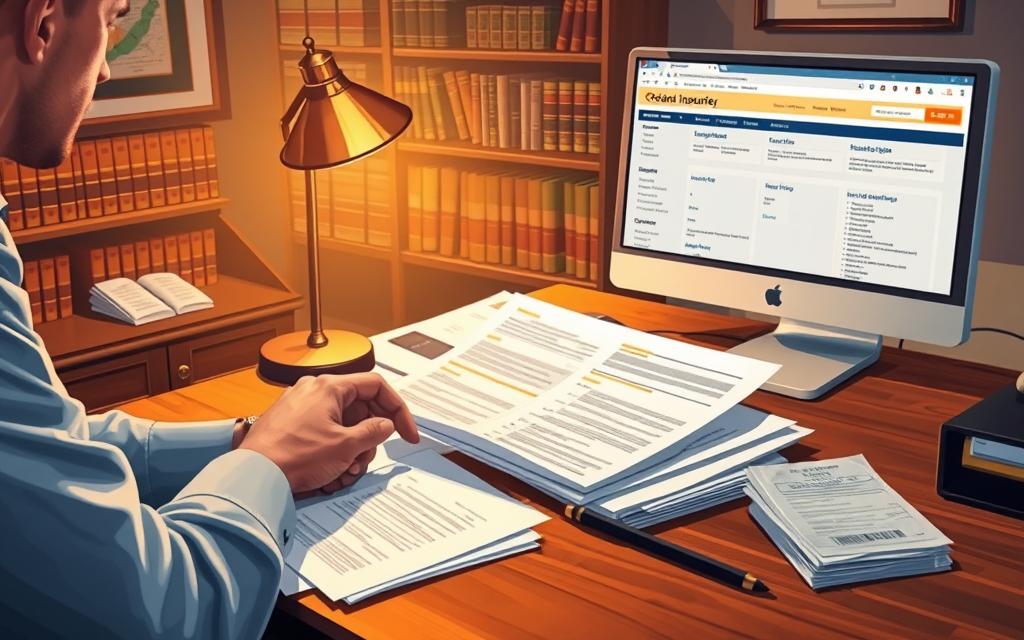
Dealing with an insurance claim for brain injury is hard. Insurance companies help decide how much money victims get. They are often the main way people get money after a brain injury.
It’s important to know how insurance companies look at brain injury claims. They check many things and need lots of documents.
How Insurers Evaluate Claims
Insurance companies have rules for looking at brain injury claims:
- They need lots of medical papers
- They want detailed reports of what happened
- They ask for expert opinions
- They look at how the injury will affect you long-term
They do a deep check to see if the claim is real and how bad it is. They look at medical records, treatment plans, and how it might affect you later.
Dealing with Denials and Delays
If insurance companies say no or take too long, you need a plan. You might need to show them more proof or get a lawyer.
| Claim Challenge | Recommended Action |
|---|---|
| Insufficient Medical Evidence | Get detailed brain tests |
| Disputed Liability | Gather all the facts of what happened |
| Policy Coverage Questions | Talk to a lawyer |
Pro tip: Always keep good records and get help from a lawyer for brain injury claims.
Preparing for Court If Necessary
Some brain injury lawsuits go to court. Knowing the legal process helps you feel ready for trial.
The journey to court is complex. You need to plan well. It’s important to know how to present your case.
Critical Pre-Trial Preparation Steps
- Collect all medical records
- Get detailed reports of the accident
- Find experts to testify
- Make a list of financial losses
- Practice your story with your lawyer
What to Expect During Trial
Going to court has many steps. You’ll talk about your medical history and the accident. You’ll also discuss how it has affected you long-term.
| Trial Stage | Key Considerations |
|---|---|
| Jury Selection | Find people who can judge fairly |
| Opening Statements | Share the facts of your case |
| Evidence Presentation | Show medical records and financial losses |
| Closing Arguments | Sum up your case and ask for justice |
Being calm and clear is key in court. Work with your lawyer to tell your story well.
Common Mistakes to Avoid in Filing Claims

Filing a brain injury claim can be tough. Many people make mistakes that hurt their case. It’s key to know these mistakes to protect your rights and get fair compensation.
Legal advice for brain injuries warns about common errors. Victims often face legal challenges. This can lead to big mistakes.
Miscalculating Damages
One big mistake is not counting all injury costs. Your damages are more than just medical bills:
- Future medical treatments
- Rehabilitation costs
- Lost earning power
- Long-term care expenses
- Compensation for emotional pain
Delaying the Process
Brain injury tips stress the need for quick action. Waiting too long can:
- Make you miss the deadline
- Weaken your evidence
- Make your claim less believable
- Let insurance companies fight your case
Not Seeking Legal Help
Getting a lawyer is very important for brain injury claims. Insurance companies use tricks to pay less. A good lawyer can:
- Figure out the right value for your claim
- Talk to insurance companies well
- Keep your rights safe
- Help with hard legal steps
It’s important to make smart choices during the claim process.
Conclusion: Taking the Next Steps in Your Claim
Filing a claim for brain injury is complex. It needs careful planning and expert help. You start by knowing your rights and acting fast.
Getting fair compensation means keeping detailed records and having a good lawyer. A lawyer skilled in brain injuries can make a big difference. They help you plan your case well.
Brain injury laws help victims get the help they need. Each case is a chance to get the care and support you deserve. Working with experienced lawyers can help you get what you need.
Next, find a lawyer who knows about brain injury cases. Getting help early can really help your case.